
Many people think interior design is all about stylish throw pillows, trendy chandeliers, and choosing between fifty shades of beige. In reality, it is far more fascinating. A great designer is part architect, part engineer, part psychologist, and occasionally a magician. After all, the goal is not just to make a space look beautiful, but to transform ordinary square footage into a place people genuinely love coming home to.
This is exactly the kind of work Moscow-based architect and interior designer Elena Tsareva creates. Her projects seamlessly combine aesthetics, functionality, and the personality of each client. We spoke with Elena about her career, sources of inspiration, clients, and why some ceilings occasionally end up covered in grass.
This is exactly the kind of work Moscow-based architect and interior designer Elena Tsareva creates. Her projects seamlessly combine aesthetics, functionality, and the personality of each client. We spoke with Elena about her career, sources of inspiration, clients, and why some ceilings occasionally end up covered in grass.
How did you enter the profession?
I suppose it all started in childhood. I loved drawing and, despite having no formal preparation, I was accepted into an architectural college, which I graduated from with honors. After that came the Moscow Architectural Institute and a position as an architect at a large design institute. In 2006, I became a lead architect at Arsi-A, where I worked not only on building design but also on interior projects.
Over time, I realized that I wanted to see a project through from the initial concept to the final result. That is when I began my independent journey as a private architect and interior designer. Creativity, inspiration, and the ability to watch an idea become a real space have always been important to me.
I suppose it all started in childhood. I loved drawing and, despite having no formal preparation, I was accepted into an architectural college, which I graduated from with honors. After that came the Moscow Architectural Institute and a position as an architect at a large design institute. In 2006, I became a lead architect at Arsi-A, where I worked not only on building design but also on interior projects.
Over time, I realized that I wanted to see a project through from the initial concept to the final result. That is when I began my independent journey as a private architect and interior designer. Creativity, inspiration, and the ability to watch an idea become a real space have always been important to me.
Do you remember your first completed project?
To be honest, it is difficult to remember my very first interior design project. Before that, I had worked on major architectural developments, including the reconstruction of the Lianozovo and Tsaritsyno dairy plants, bank office interiors, and other large-scale projects. It was a serious engineering and architectural environment.
One of my first independent interior design projects was an apartment on Leninsky Prospekt. At that stage, there was still a great deal to learn through practical experience, but projects like that help you grow professionally very quickly.
To be honest, it is difficult to remember my very first interior design project. Before that, I had worked on major architectural developments, including the reconstruction of the Lianozovo and Tsaritsyno dairy plants, bank office interiors, and other large-scale projects. It was a serious engineering and architectural environment.
One of my first independent interior design projects was an apartment on Leninsky Prospekt. At that stage, there was still a great deal to learn through practical experience, but projects like that help you grow professionally very quickly.
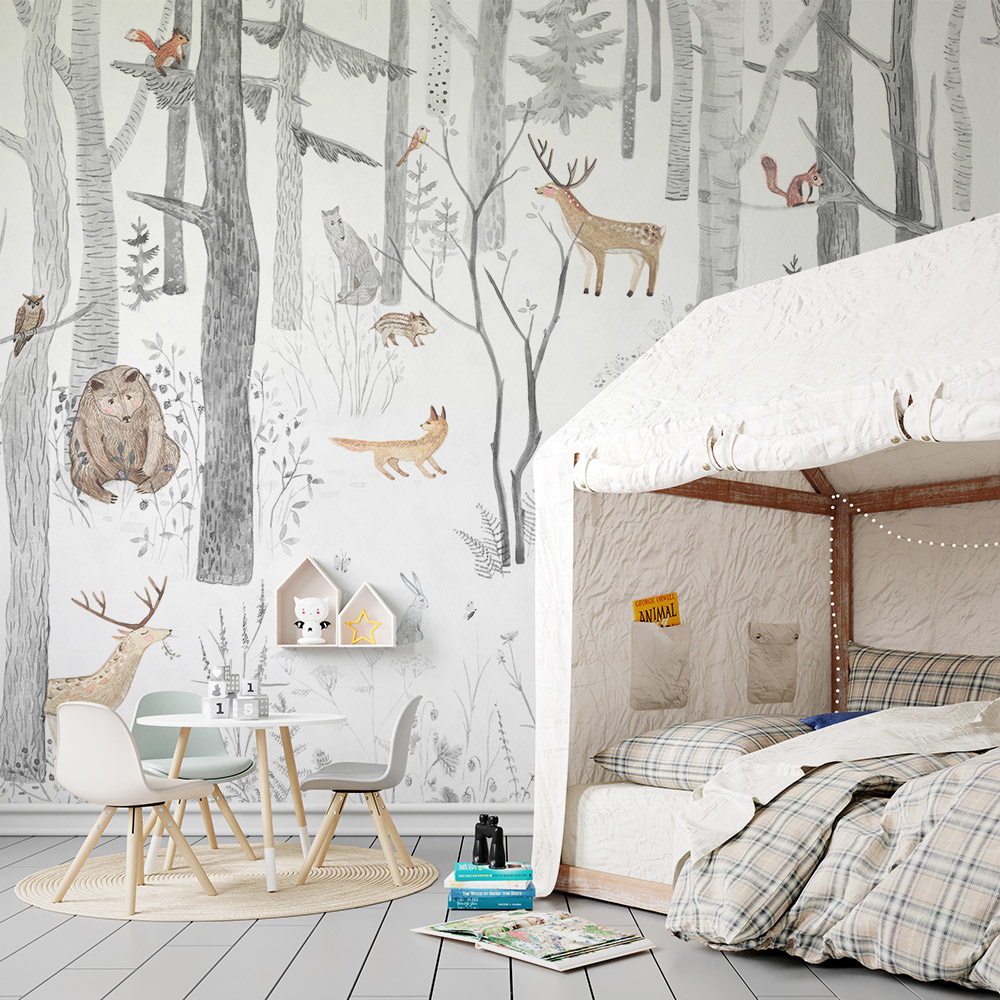
How has your design philosophy evolved over the years?
It has changed significantly. Today, I have a very clear work structure divided into three stages. Each stage usually takes about two and a half to three weeks. I always communicate deadlines in advance, but I never rush clients when it comes to making decisions.
Even the payment process is designed to make clients feel comfortable. Instead of requesting a large upfront payment, the work is paid for in stages. Clients appreciate the transparency and flexibility of this approach.
It has changed significantly. Today, I have a very clear work structure divided into three stages. Each stage usually takes about two and a half to three weeks. I always communicate deadlines in advance, but I never rush clients when it comes to making decisions.
Even the payment process is designed to make clients feel comfortable. Instead of requesting a large upfront payment, the work is paid for in stages. Clients appreciate the transparency and flexibility of this approach.
Which project stands out the most in your memory?
Usually, the most memorable projects are those where the clients are so delighted with the result that they recommend you to everyone they know.
One of the most distinctive projects was an apartment in Maryino. We incorporated a variety of unusual design elements, including decorative grass on the ceiling, a mural featuring characters from The Simpsons, a helicopter-shaped shelf, a fireplace integrated into a shelving unit, and even wooden logs incorporated into the bar area.
However, what made the project truly special was not the design itself but the trust of the client. When clients genuinely trust their designer, that is when the most creative and unexpected solutions emerge.
Usually, the most memorable projects are those where the clients are so delighted with the result that they recommend you to everyone they know.
One of the most distinctive projects was an apartment in Maryino. We incorporated a variety of unusual design elements, including decorative grass on the ceiling, a mural featuring characters from The Simpsons, a helicopter-shaped shelf, a fireplace integrated into a shelving unit, and even wooden logs incorporated into the bar area.
However, what made the project truly special was not the design itself but the trust of the client. When clients genuinely trust their designer, that is when the most creative and unexpected solutions emerge.
Where do you find inspiration?
Traveling inspires me more than anything else. New cities, museums, architecture, and natural landscapes help me recharge and see familiar things from a fresh perspective.
My classical architectural education has also had a tremendous influence on my work. Architectural history was one of my favorite subjects. At the same time, I constantly follow the work of contemporary architects and designers around the world to stay connected with current trends and professional developments.
Traveling inspires me more than anything else. New cities, museums, architecture, and natural landscapes help me recharge and see familiar things from a fresh perspective.
My classical architectural education has also had a tremendous influence on my work. Architectural history was one of my favorite subjects. At the same time, I constantly follow the work of contemporary architects and designers around the world to stay connected with current trends and professional developments.
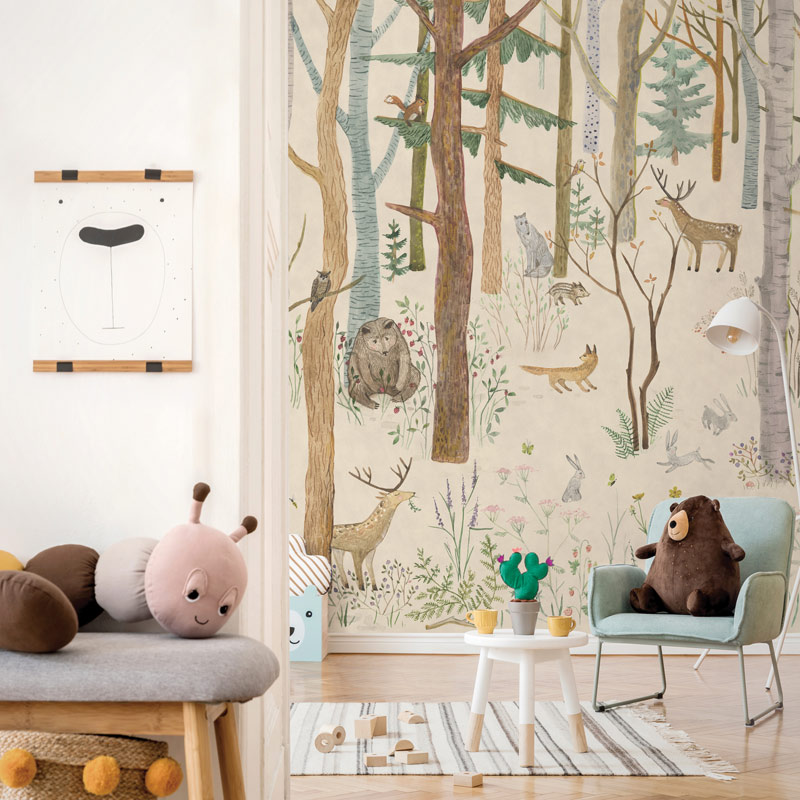
How do you help clients discover their personal style?
First and foremost, I try to understand the person. I want to learn about their lifestyle, habits, interests, and expectations for their future home.
I always ask clients to share images that resonate with them emotionally. Sometimes it is difficult for people to explain what they want in words, but a collection of images often communicates their preferences far better than any technical brief.
Interestingly, in recent years, more and more clients have included my own completed projects in those collections. For a designer, that is a very rewarding sign.
First and foremost, I try to understand the person. I want to learn about their lifestyle, habits, interests, and expectations for their future home.
I always ask clients to share images that resonate with them emotionally. Sometimes it is difficult for people to explain what they want in words, but a collection of images often communicates their preferences far better than any technical brief.
Interestingly, in recent years, more and more clients have included my own completed projects in those collections. For a designer, that is a very rewarding sign.
What do you enjoy most about your work?
I love transforming empty spaces into environments where people can truly live and feel comfortable. Every project is a unique story because every client is unique.
One of my favorite aspects is space planning. The challenge is to accommodate all of a client’s wishes while maintaining comfort, functionality, and common sense. Sometimes it feels like solving an intricate puzzle where new pieces keep appearing unexpectedly.
I almost always use floor-to-ceiling cabinetry because it creates a more cohesive and organized interior. I also enjoy designing efficient storage systems, especially in bathrooms. As for curved ceilings and elaborate wave-like constructions, I left those behind long ago. In my opinion, they belong to another era.
I love transforming empty spaces into environments where people can truly live and feel comfortable. Every project is a unique story because every client is unique.
One of my favorite aspects is space planning. The challenge is to accommodate all of a client’s wishes while maintaining comfort, functionality, and common sense. Sometimes it feels like solving an intricate puzzle where new pieces keep appearing unexpectedly.
I almost always use floor-to-ceiling cabinetry because it creates a more cohesive and organized interior. I also enjoy designing efficient storage systems, especially in bathrooms. As for curved ceilings and elaborate wave-like constructions, I left those behind long ago. In my opinion, they belong to another era.
Do you have favorite materials?
I am particularly fond of decorative plaster. It is durable, visually striking, and works beautifully in a variety of design styles.
I also frequently use veneered and gypsum panels as accent features. And of course, I love high-quality designer wallpapers. Sometimes a single well-designed accent wall becomes the focal point of an entire interior.
I am particularly fond of decorative plaster. It is durable, visually striking, and works beautifully in a variety of design styles.
I also frequently use veneered and gypsum panels as accent features. And of course, I love high-quality designer wallpapers. Sometimes a single well-designed accent wall becomes the focal point of an entire interior.
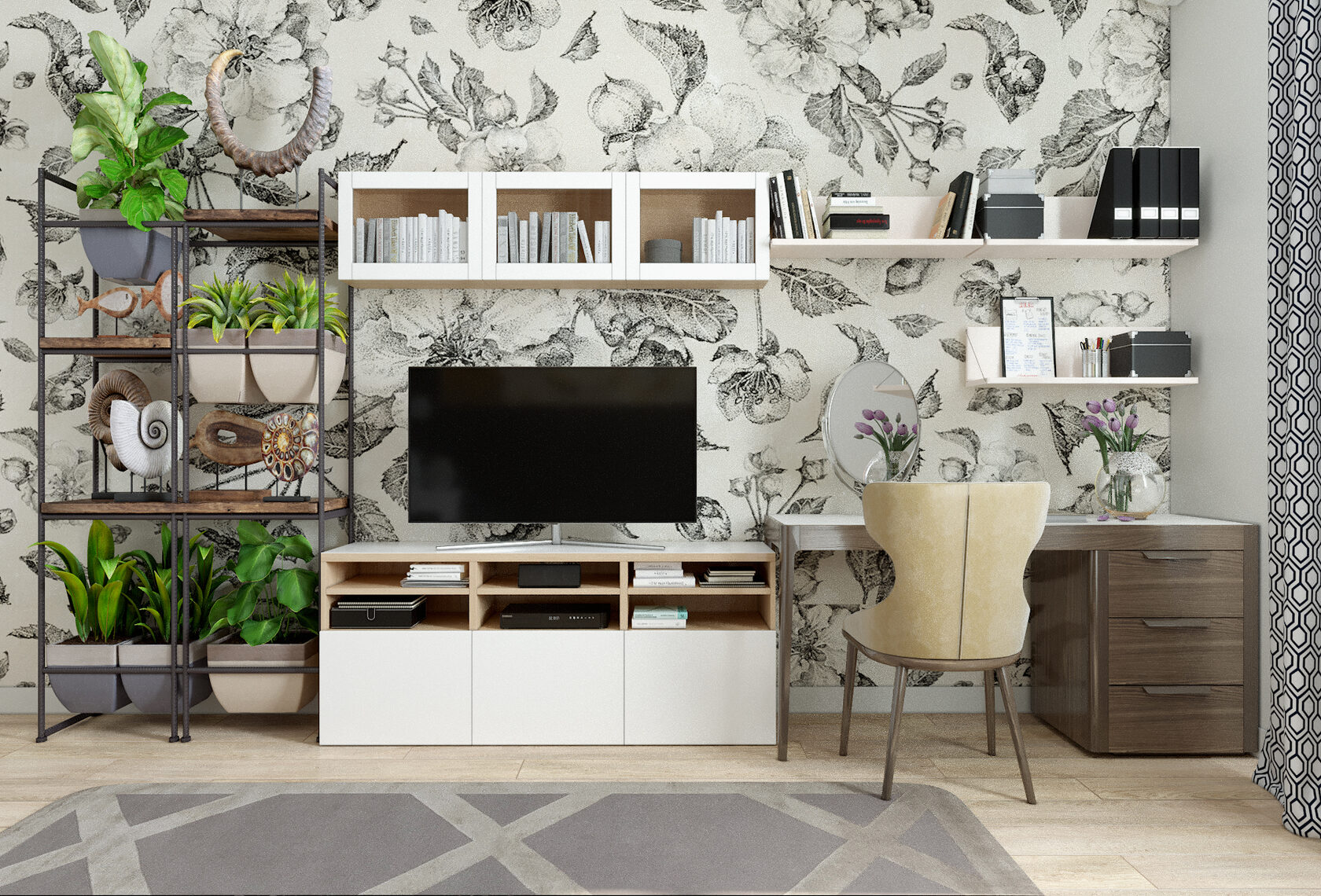
What mistakes do people most often make when decorating their homes?
The most common mistake is trying to include everything at once.
Too many decorative elements, excessive color combinations, and mixing multiple styles in a single space often create visual chaos. Just like a well-tailored outfit, an interior sometimes benefits from removing a few accessories rather than adding more.
The most common mistake is trying to include everything at once.
Too many decorative elements, excessive color combinations, and mixing multiple styles in a single space often create visual chaos. Just like a well-tailored outfit, an interior sometimes benefits from removing a few accessories rather than adding more.
What matters most to clients today: aesthetics, technology, or sustainability?
In recent years, sustainability and natural materials have become increasingly important. People want their homes to feel calm, safe, and connected to nature.
Today, comfort means much more than simply having a beautiful interior. Material quality, atmosphere, and a sense of harmony all play an important role.
In recent years, sustainability and natural materials have become increasingly important. People want their homes to feel calm, safe, and connected to nature.
Today, comfort means much more than simply having a beautiful interior. Material quality, atmosphere, and a sense of harmony all play an important role.
Which design trends do you believe will remain relevant, and which are fading away?
Hidden-frame doors will likely remain popular for a long time. They help visually unify a space and create clean architectural lines.
As for decorative slatted wall panels, which were once found in almost every other apartment, they are gradually fading from popularity. I believe ribbed and perforated surfaces may soon follow the same path.
Hidden-frame doors will likely remain popular for a long time. They help visually unify a space and create clean architectural lines.
As for decorative slatted wall panels, which were once found in almost every other apartment, they are gradually fading from popularity. I believe ribbed and perforated surfaces may soon follow the same path.
What advice would you give to aspiring designers?
I believe young designers should begin their careers in a strong design or architectural studio. It is an excellent way to gain practical experience, work on large-scale projects, and learn from seasoned professionals.
Personally, that experience gave me the confidence and knowledge I needed to eventually establish my own practice.
For homeowners interested in designing their own interiors, I recommend studying as many quality projects as possible, reading professional publications, and not being afraid to draw inspiration from other designers. Today, there is an abundance of information available, making it easier than ever to discover ideas that truly suit your personality and lifestyle.
Readers interested in learning more about Elena Tsareva’s work, discussing potential projects, or exploring collaboration opportunities are welcome to contact her directly.
Website: www.ar-dis.ru
Instagram: @tsarevadesign
Elena is always open to new creative challenges and enjoys helping clients transform their ideas into thoughtfully designed and functional spaces.
I believe young designers should begin their careers in a strong design or architectural studio. It is an excellent way to gain practical experience, work on large-scale projects, and learn from seasoned professionals.
Personally, that experience gave me the confidence and knowledge I needed to eventually establish my own practice.
For homeowners interested in designing their own interiors, I recommend studying as many quality projects as possible, reading professional publications, and not being afraid to draw inspiration from other designers. Today, there is an abundance of information available, making it easier than ever to discover ideas that truly suit your personality and lifestyle.
Readers interested in learning more about Elena Tsareva’s work, discussing potential projects, or exploring collaboration opportunities are welcome to contact her directly.
Website: www.ar-dis.ru
Instagram: @tsarevadesign
Elena is always open to new creative challenges and enjoys helping clients transform their ideas into thoughtfully designed and functional spaces.