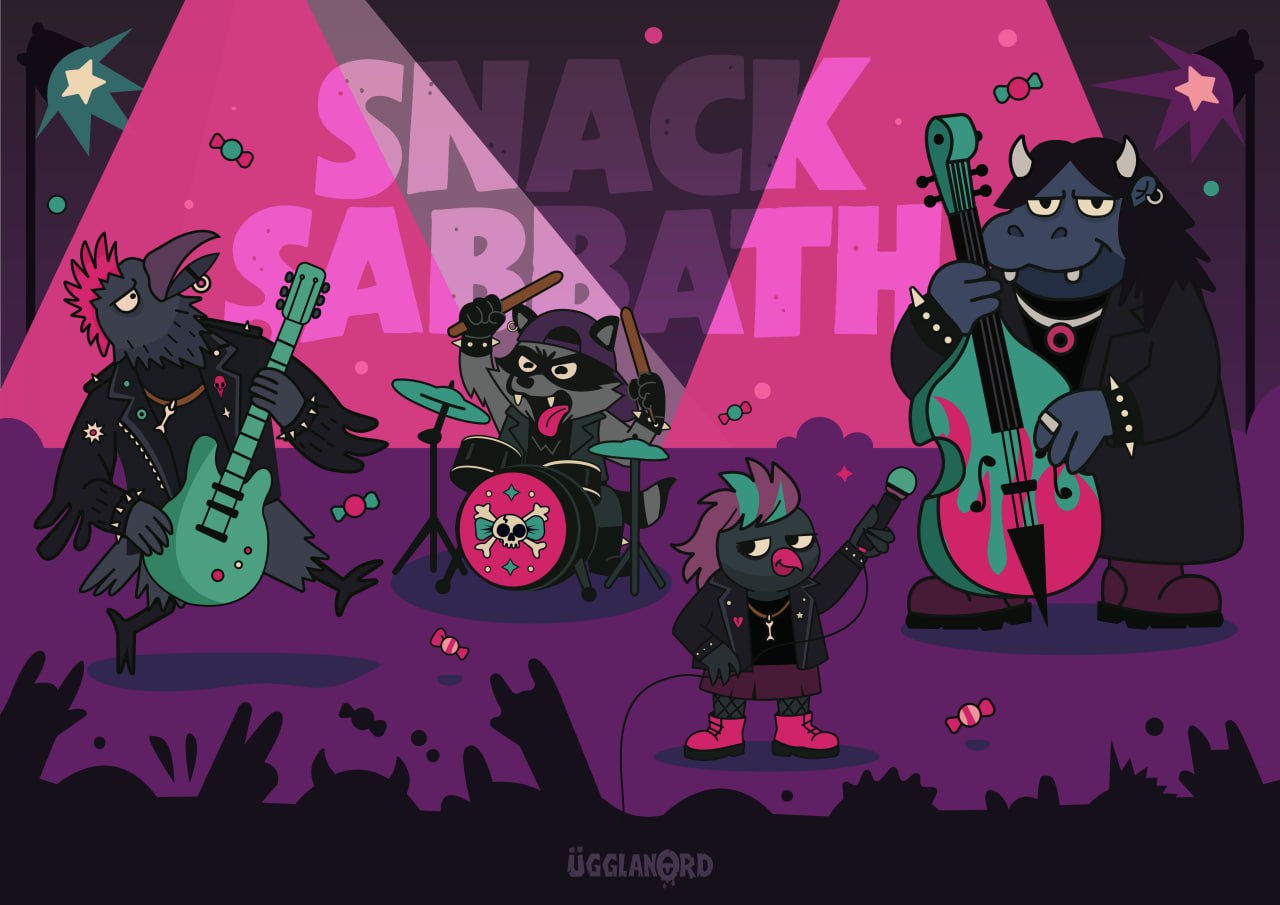
Illustrator and artist Olga Bystrova (Ugglanord) shares the story behind her Folk Gloom Pop aesthetic, discusses the inspirations that shape her work, and reflects on creativity, humor, and the changing landscape of contemporary illustration.
Olga, tell us a little about yourself and your creative journey. Where did you grow up, and how did you come to art?
I was born and raised in the south of Moscow, surrounded by grey apartment blocks and concrete jungles. It may seem like a rather depressing environment for becoming an artist, but that’s exactly where my creative journey began. During my childhood and school years, I never planned to connect my life with art. I remember being asked in kindergarten what I wanted to become, and I answered, “a hairdresser.” It wasn’t until the end of the ninth grade that I realized I wanted to dedicate myself to creativity.
I was born and raised in the south of Moscow, surrounded by grey apartment blocks and concrete jungles. It may seem like a rather depressing environment for becoming an artist, but that’s exactly where my creative journey began. During my childhood and school years, I never planned to connect my life with art. I remember being asked in kindergarten what I wanted to become, and I answered, “a hairdresser.” It wasn’t until the end of the ninth grade that I realized I wanted to dedicate myself to creativity.
When did you first realize that you wanted to devote your life to creativity?
Surprisingly, internet culture of the 2000s and early 2010s led me to creativity. Back then, online diaries such as Beon.ru were very popular in the Russian internet space. Everyone customized their pages, and in hindsight it was quite similar to graphic and web design, although I didn’t know those terms at the time. It was during that period that I discovered graphic software and opened up the world of pixels and digital art.
Surprisingly, internet culture of the 2000s and early 2010s led me to creativity. Back then, online diaries such as Beon.ru were very popular in the Russian internet space. Everyone customized their pages, and in hindsight it was quite similar to graphic and web design, although I didn’t know those terms at the time. It was during that period that I discovered graphic software and opened up the world of pixels and digital art.
What kind of education did you receive, and how did it influence your development as an artist?
I have both vocational and higher education in graphic design. Graphic design gave me a start in my career, although not always in the most positive way. Design is more complex than being an artist alone because a designer is both an artist and an engineer. Yet I always felt something was missing — the purely creative side. That’s why I later completed additional courses in 2D illustration, advanced vector graphics, and related disciplines.
I have both vocational and higher education in graphic design. Graphic design gave me a start in my career, although not always in the most positive way. Design is more complex than being an artist alone because a designer is both an artist and an engineer. Yet I always felt something was missing — the purely creative side. That’s why I later completed additional courses in 2D illustration, advanced vector graphics, and related disciplines.
Which artistic styles or techniques attracted you most at the beginning of your career?
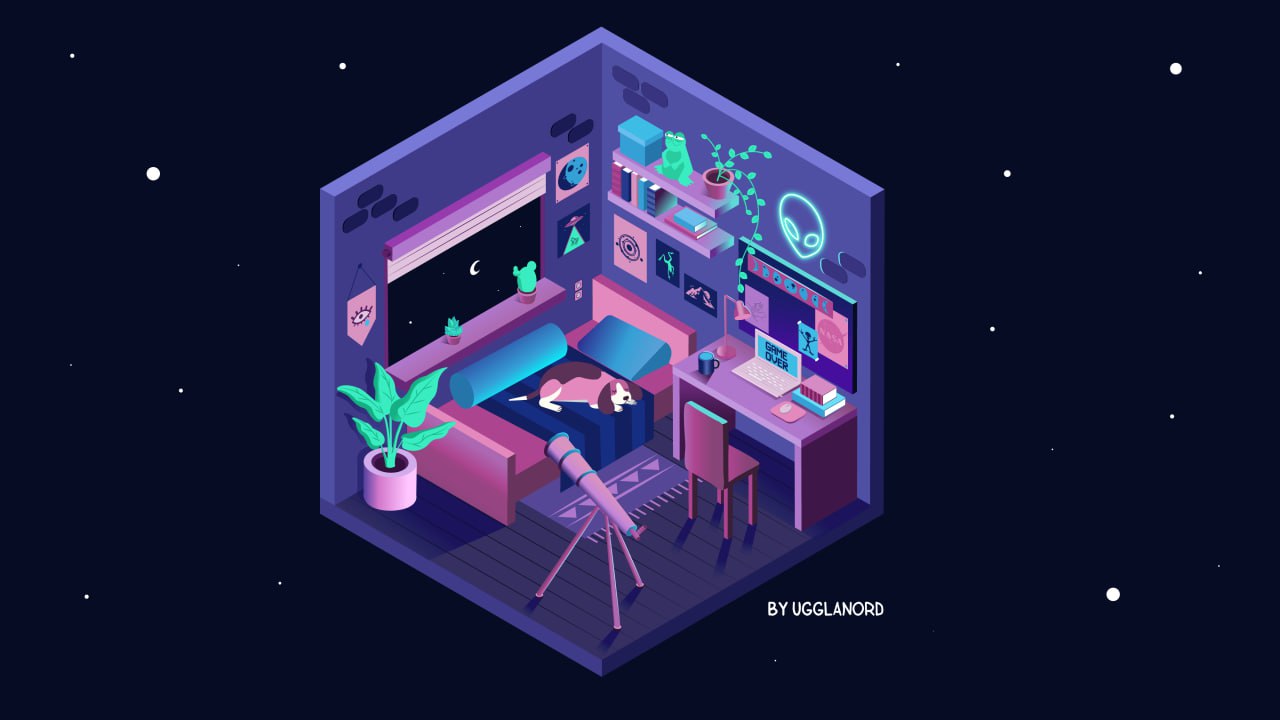
My heart belongs to vector graphics. Even though I work with different software and in various styles, vector illustration will always be my greatest love.
My heart belongs to vector graphics. Even though I work with different software and in various styles, vector illustration will always be my greatest love.
How would you describe your artistic style today?
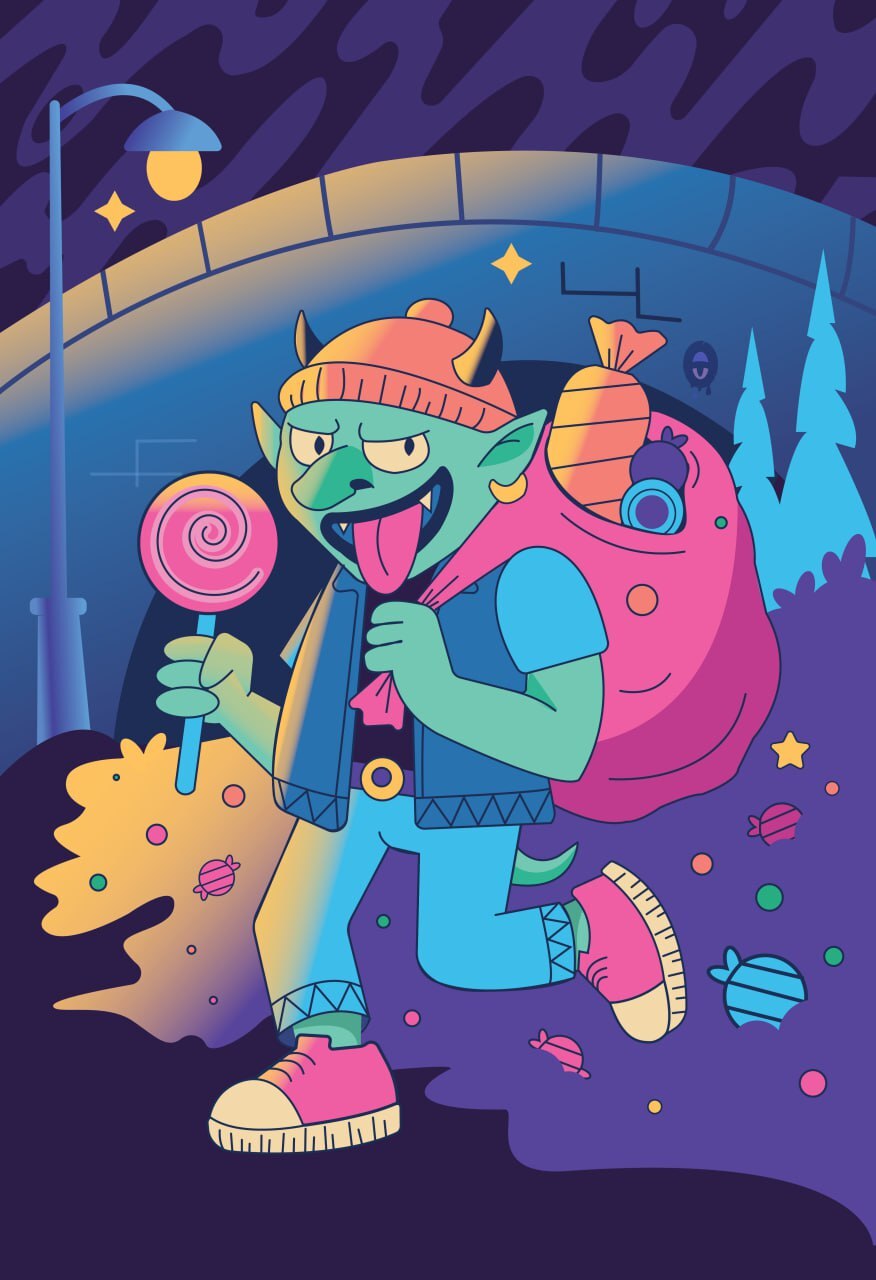
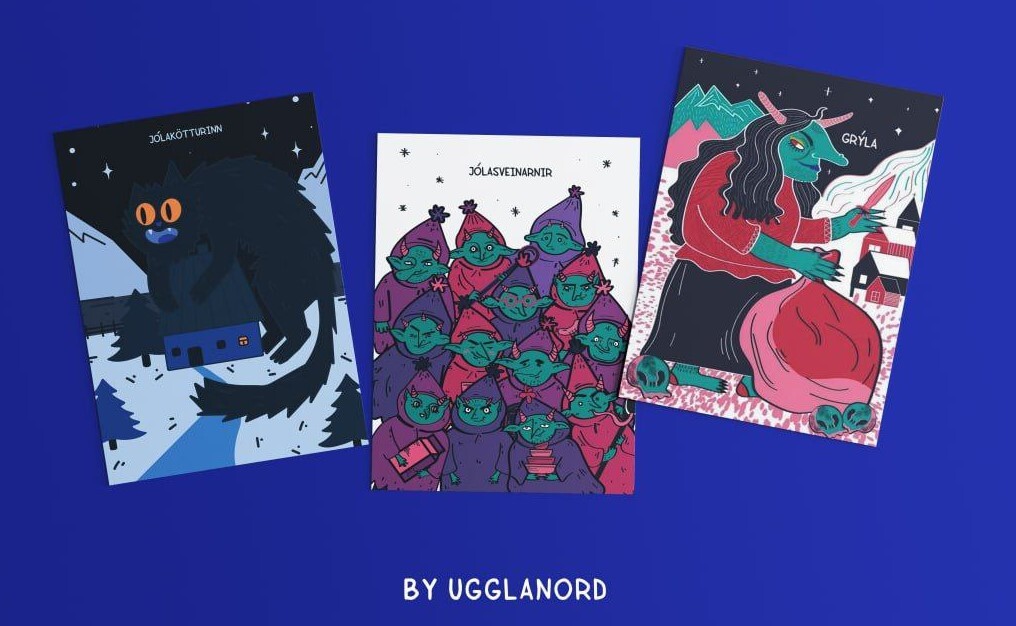
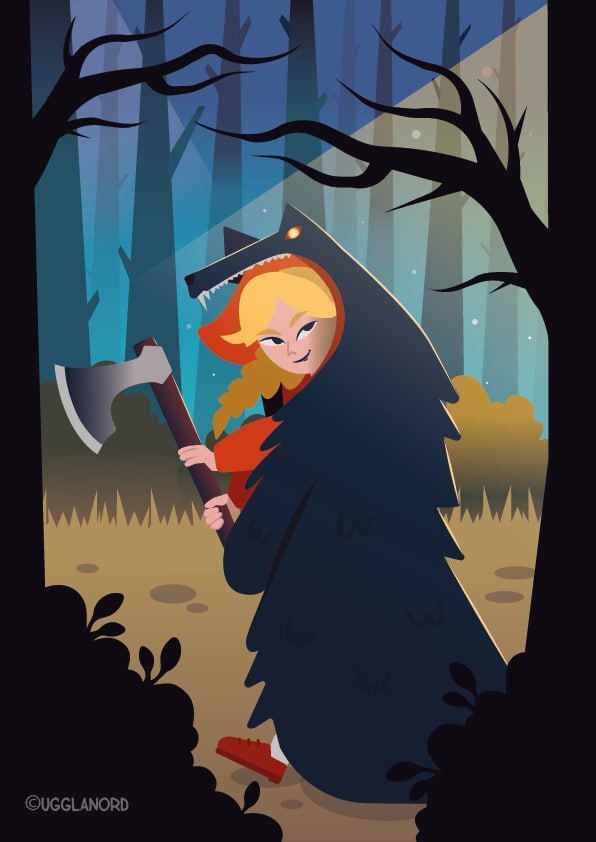
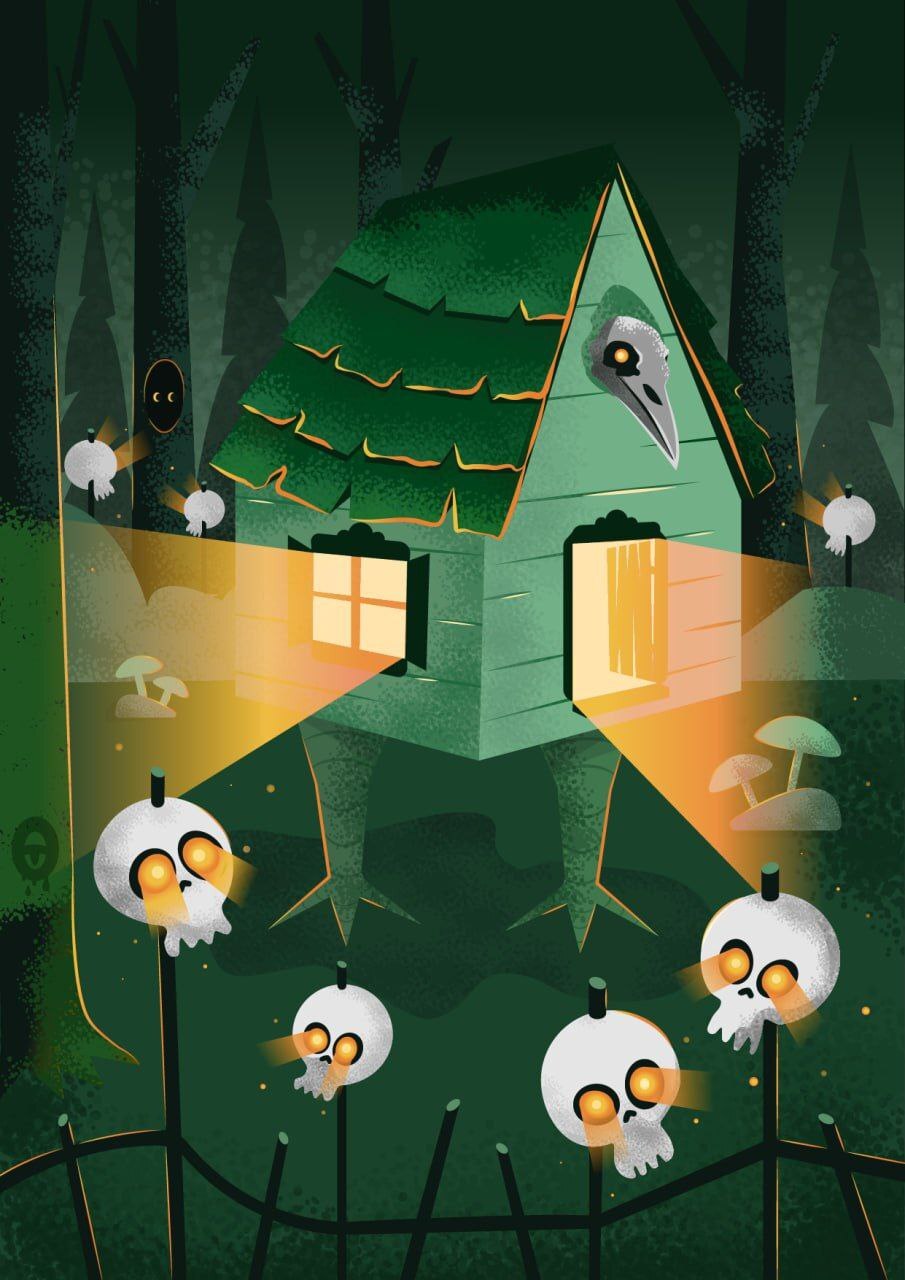
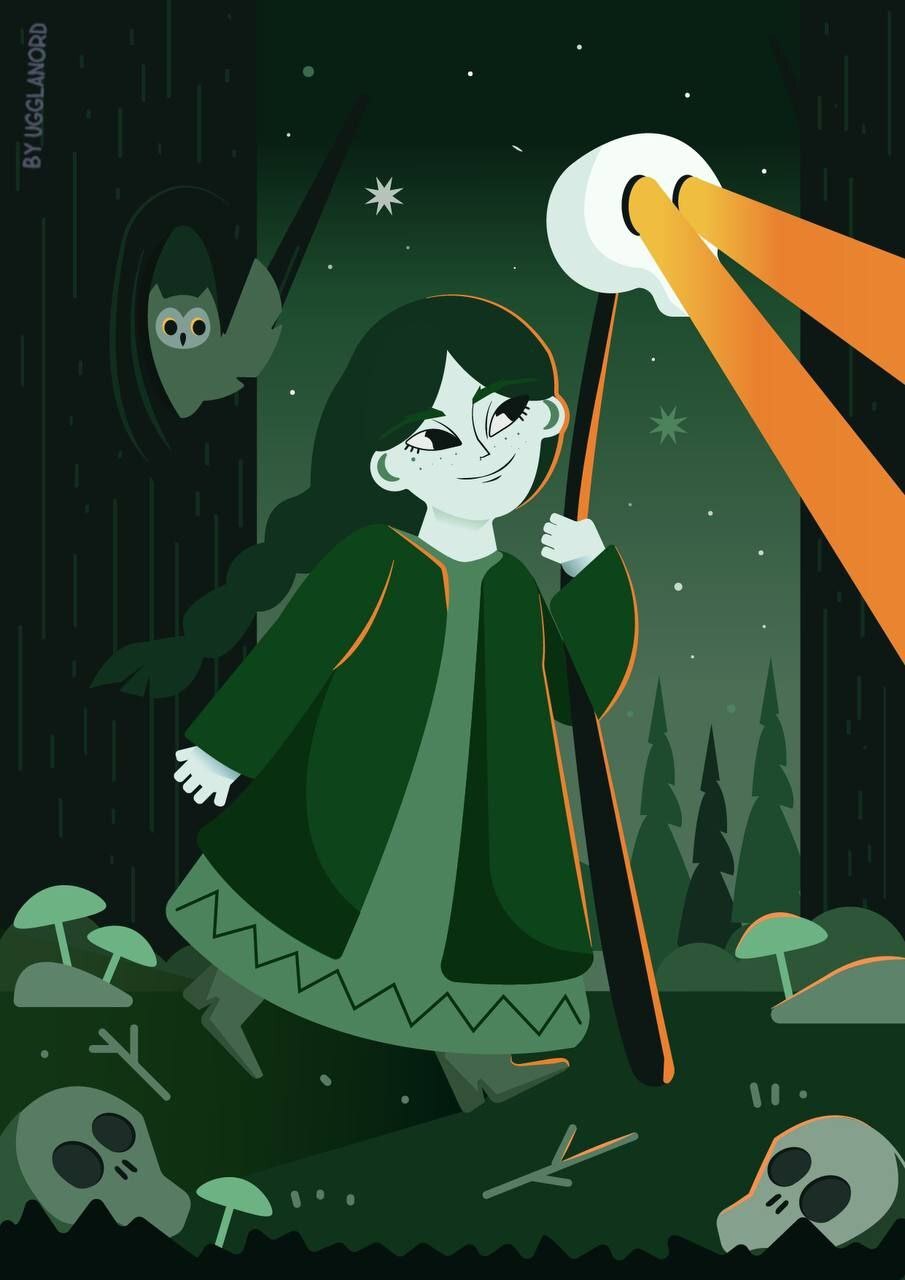
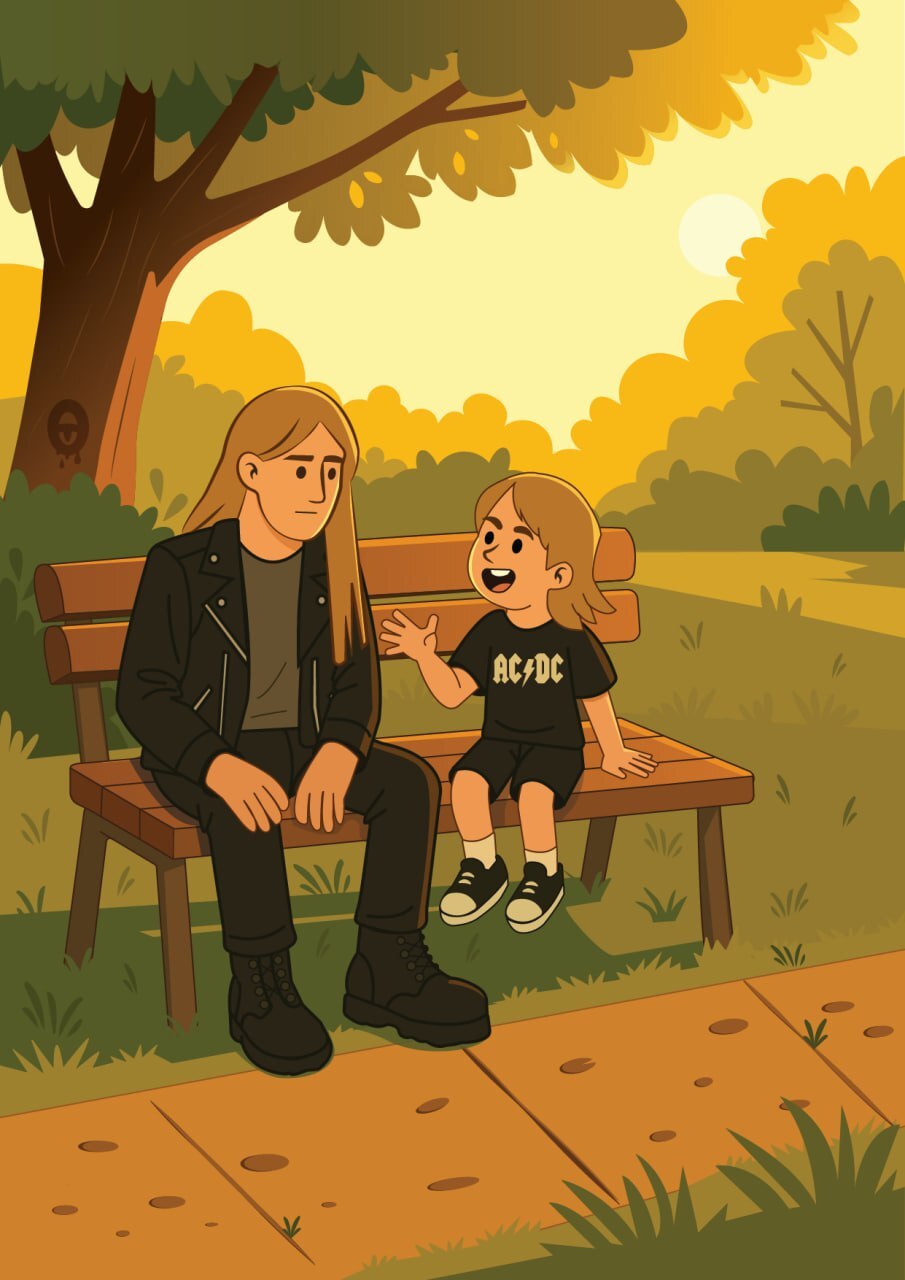
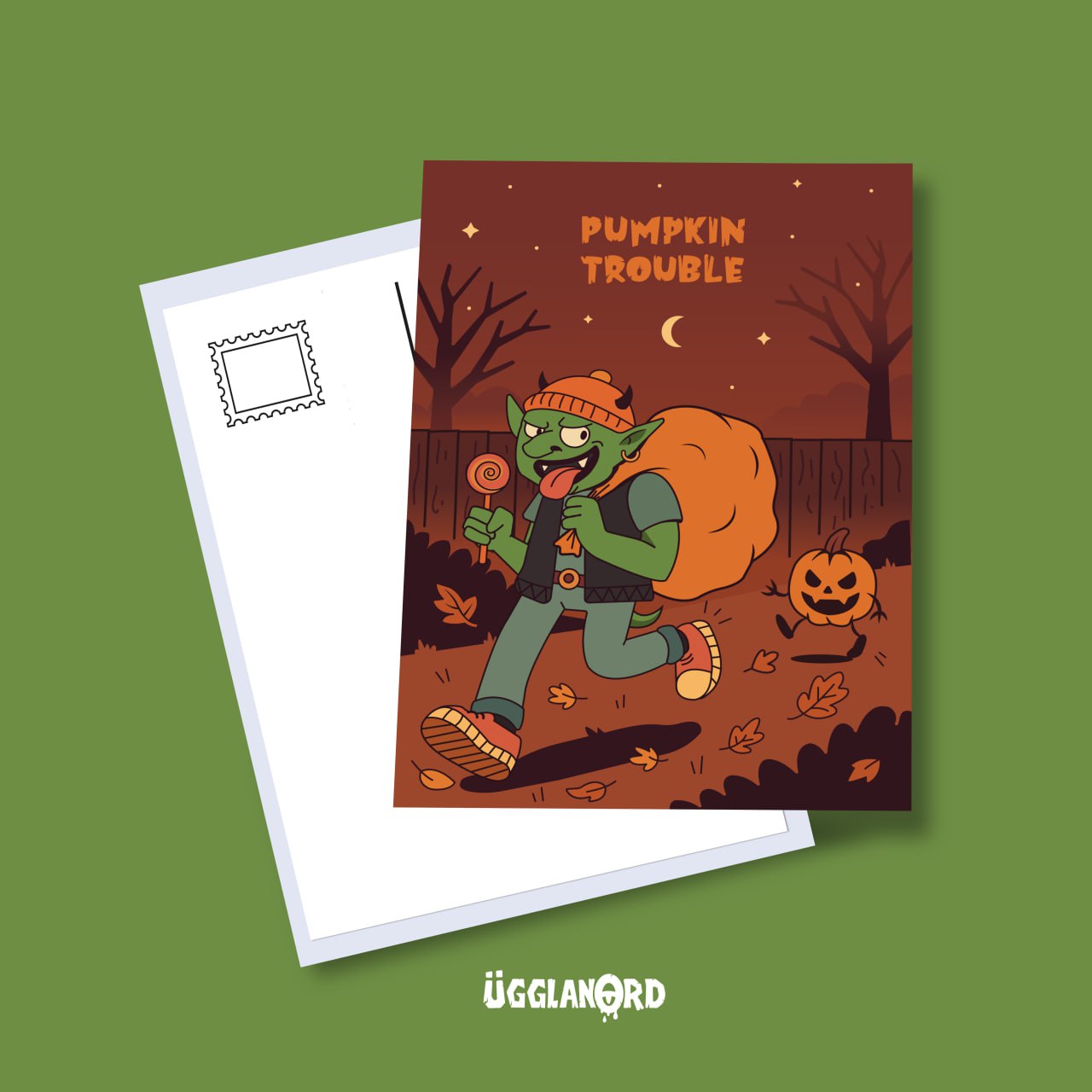
I call my style Folk Gloom Pop. It combines elements of folklore from different cultures, indie graphics, vector illustration, and the kind of naïve animation that was popular about a decade ago.
I call my style Folk Gloom Pop. It combines elements of folklore from different cultures, indie graphics, vector illustration, and the kind of naïve animation that was popular about a decade ago.
How has your style evolved over the years?
Once, I redrew some of my old illustrations and was amazed by how much my skills had improved. I can confidently say that both my style and the quality of my work have grown significantly. That’s why I always encourage illustrators to keep learning, whether independently or through professional courses.
Once, I redrew some of my old illustrations and was amazed by how much my skills had improved. I can confidently say that both my style and the quality of my work have grown significantly. That’s why I always encourage illustrators to keep learning, whether independently or through professional courses.
What events or decisions have had the greatest impact on your career?
Probably the transition from graphic design to illustration. I immersed myself in studying 2D graphics, and it completely changed my professional path. Nowadays, I identify myself as an illustrator more often than as a graphic designer.
Probably the transition from graphic design to illustration. I immersed myself in studying 2D graphics, and it completely changed my professional path. Nowadays, I identify myself as an illustrator more often than as a graphic designer.
Why did you choose illustration and visual art as your primary form of self-expression?
Because it’s easier for me to draw than to explain things with words. I love telling stories through images. I believe that a visual piece can reveal much more about itself than two paragraphs of text ever could.
Because it’s easier for me to draw than to explain things with words. I love telling stories through images. I believe that a visual piece can reveal much more about itself than two paragraphs of text ever could.
What challenges did you face at the beginning of your professional journey?
For me, it was impostor syndrome. For a long time, I thought I was creating nonsense and often turned down opportunities and projects. I’m still working on overcoming that mindset. Thankfully, I receive a lot of feedback and kind words from people who appreciate my work, and that helps me move forward.
For me, it was impostor syndrome. For a long time, I thought I was creating nonsense and often turned down opportunities and projects. I’m still working on overcoming that mindset. Thankfully, I receive a lot of feedback and kind words from people who appreciate my work, and that helps me move forward.
Where do ideas for your work usually come from?
I’d love to say that my ideas come to me in dreams, but that wouldn’t be true. Most often, they are little fragments of everything that inspires me — a movie I’ve watched, a song I’ve listened to, or even something as simple as a phrase written on a wall. Sometimes all it takes is a tiny detail for the mind to build an entire concept around it.
I’d love to say that my ideas come to me in dreams, but that wouldn’t be true. Most often, they are little fragments of everything that inspires me — a movie I’ve watched, a song I’ve listened to, or even something as simple as a phrase written on a wall. Sometimes all it takes is a tiny detail for the mind to build an entire concept around it.
What does a typical working day look like for you?
My day always starts with exercise. A healthy back is essential for an artist! After 9 a.m., I begin working on my personal and freelance projects, and later in the day I head to my second job as an art teacher. So, within a single day, I get to experience two different roles.
My day always starts with exercise. A healthy back is essential for an artist! After 9 a.m., I begin working on my personal and freelance projects, and later in the day I head to my second job as an art teacher. So, within a single day, I get to experience two different roles.
How does a new project usually begin?
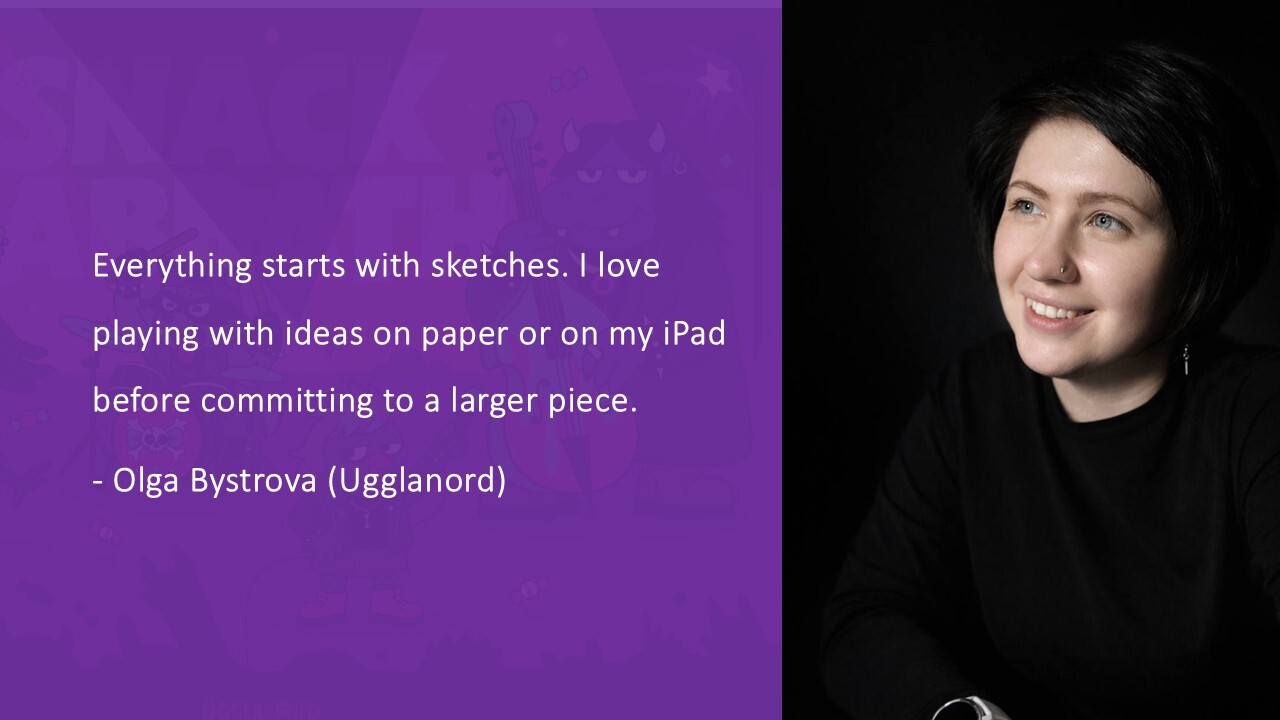
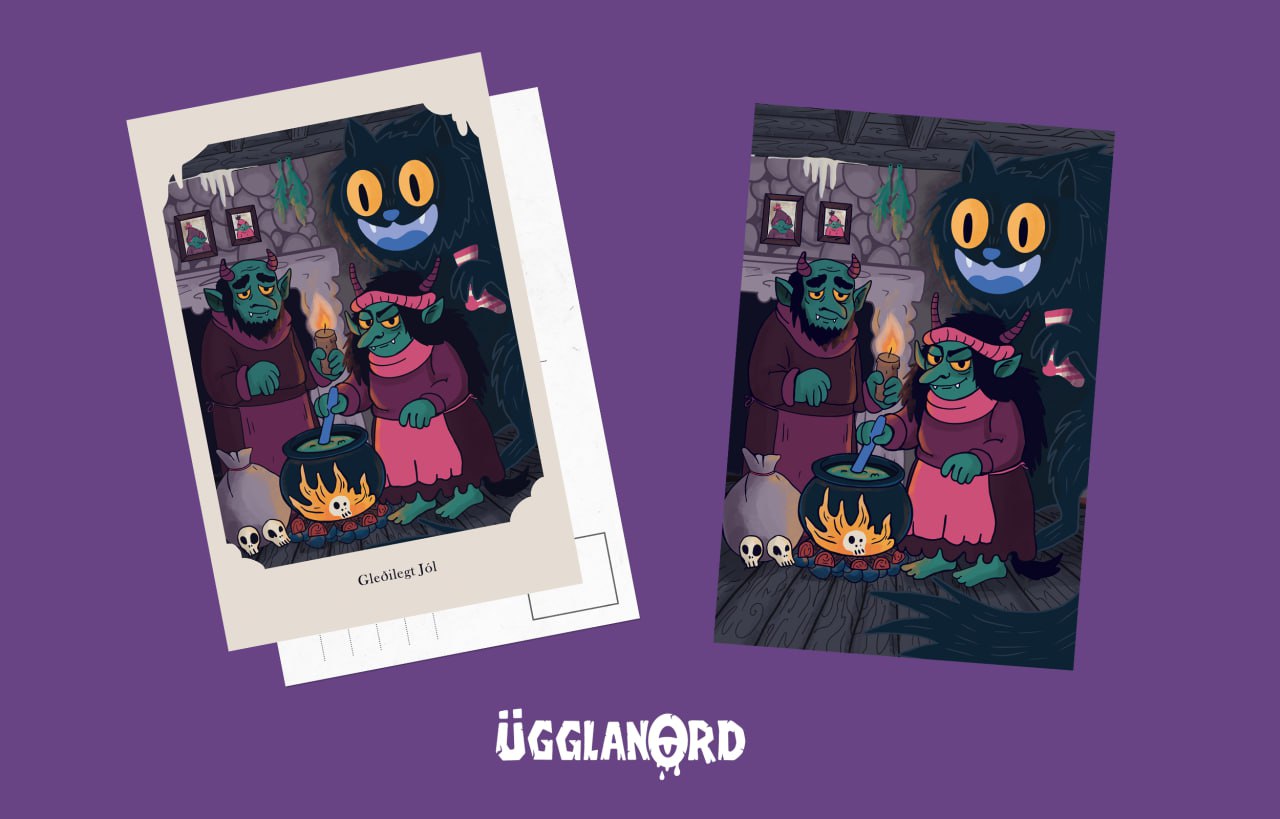
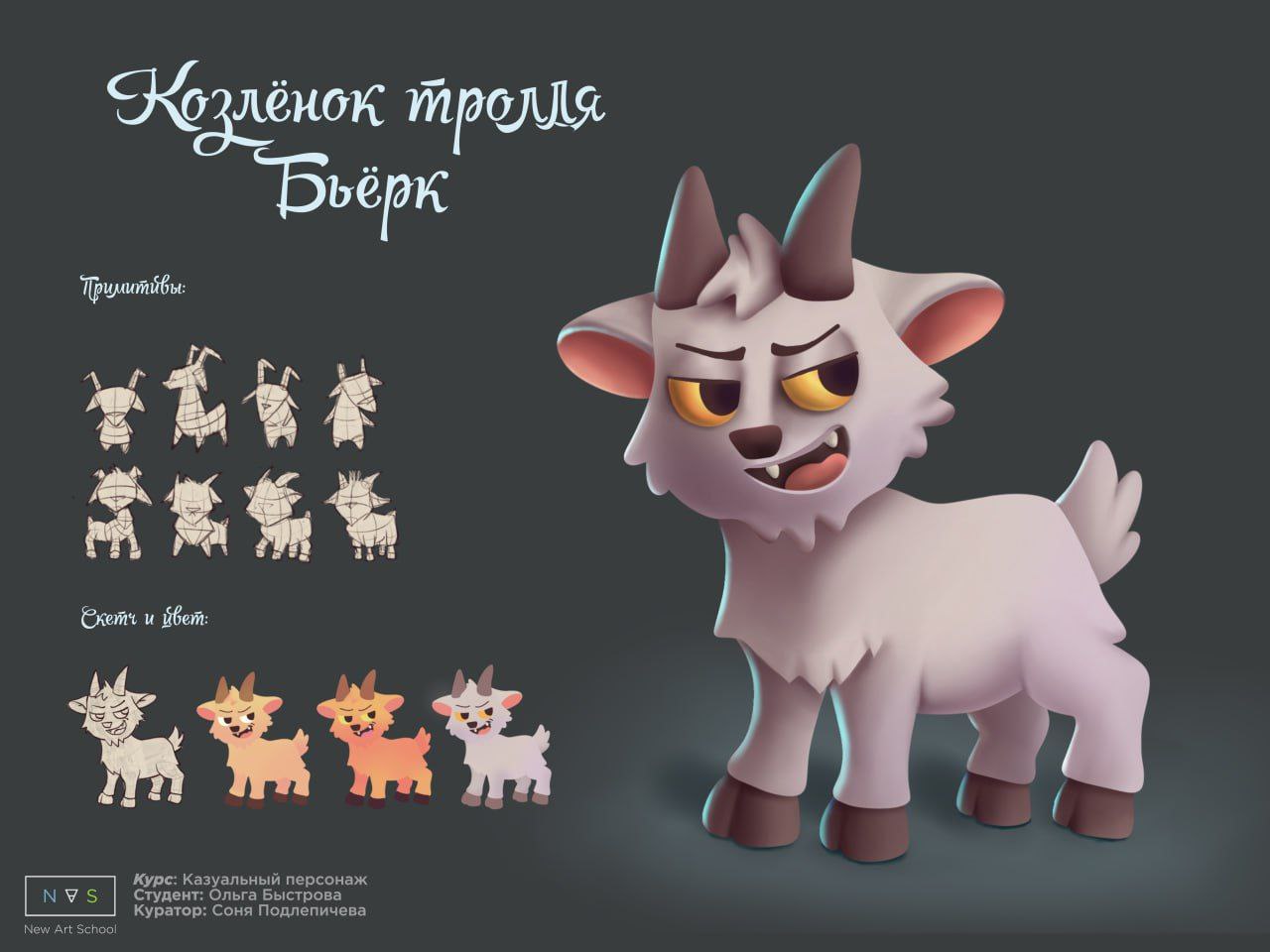
Everything starts with sketches. I love playing with ideas on paper or on my iPad before committing to a larger piece. If I’m developing a character, I’ll draw them from different angles, come up with funny poses, and experiment freely. Every project begins with a whole collection of sketches, and I always encourage others to do the same.
Everything starts with sketches. I love playing with ideas on paper or on my iPad before committing to a larger piece. If I’m developing a character, I’ll draw them from different angles, come up with funny poses, and experiment freely. Every project begins with a whole collection of sketches, and I always encourage others to do the same.
Do you have any rituals or habits that help you get into a creative state?
I wouldn’t say I have any special rituals, but I always enjoy listening to music while I work. Sometimes I feel that music influences the outcome of a piece because it sparks unexpected ideas. Music affects emotions, and emotions shape visuals — that’s how it works for me.
I wouldn’t say I have any special rituals, but I always enjoy listening to music while I work. Sometimes I feel that music influences the outcome of a piece because it sparks unexpected ideas. Music affects emotions, and emotions shape visuals — that’s how it works for me.
How do you know when a piece is finished?
Usually, it’s when I feel the urge to keep fixing it forever. First, I tell myself, “Everything is fine,” and then the endless revisions begin. That’s when I know it’s time to stop.
Usually, it’s when I feel the urge to keep fixing it forever. First, I tell myself, “Everything is fine,” and then the endless revisions begin. That’s when I know it’s time to stop.
What does art mean to you?
Art is self-expression. Through art, I can speak about myself and communicate my thoughts. In today’s world, art is an incredibly powerful tool.
Art is self-expression. Through art, I can speak about myself and communicate my thoughts. In today’s world, art is an incredibly powerful tool.
Which themes appear most often in your work?
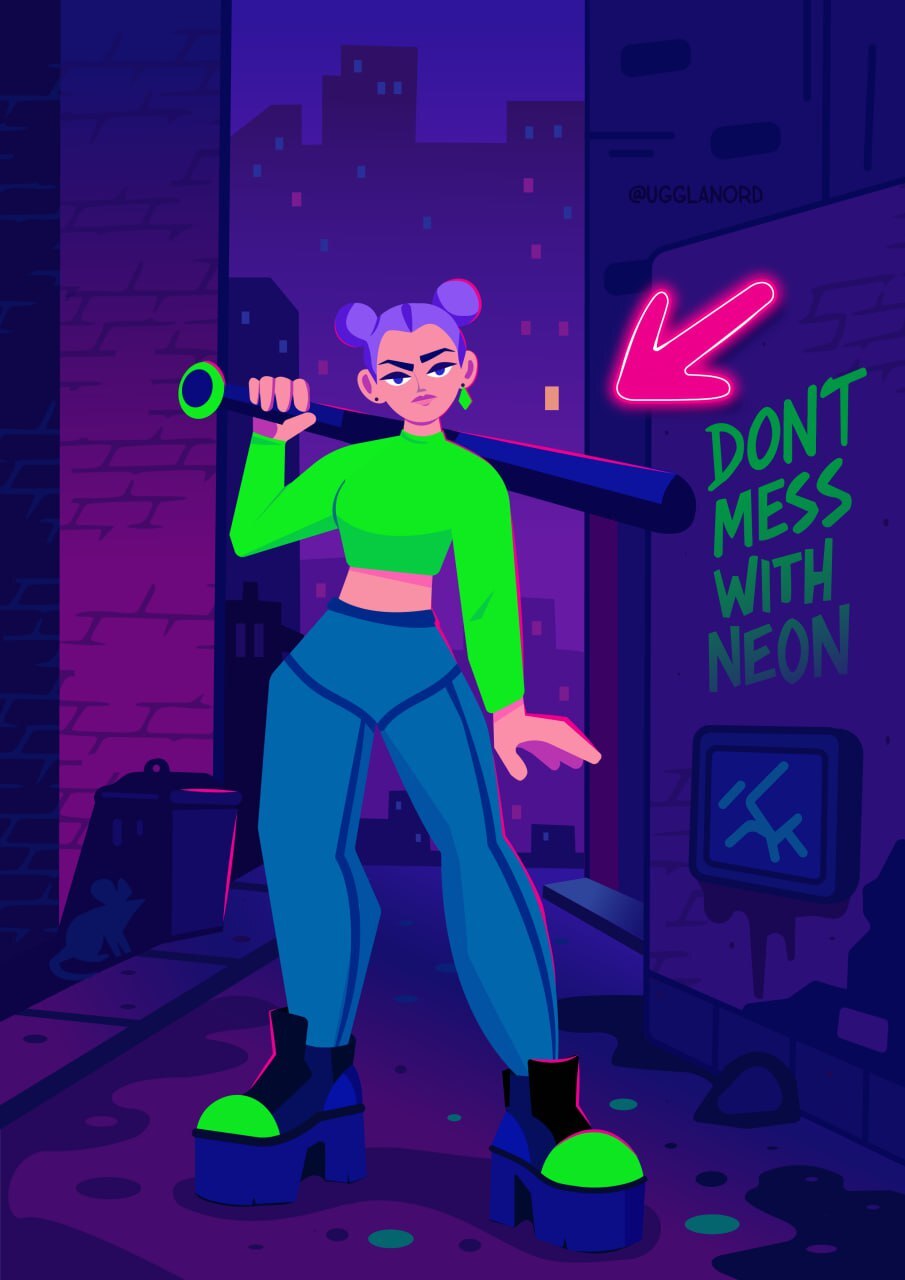
Humorous and ironic themes. I love humor and irony, and I believe they help us deal with fear and apathy. The world can be a rather sad place, and I want to bring a little more color and joy into it.
Humorous and ironic themes. I love humor and irony, and I believe they help us deal with fear and apathy. The world can be a rather sad place, and I want to bring a little more color and joy into it.
What emotions or thoughts do you hope to evoke in viewers?
Laughter and smiles. I want people to look at my work and chuckle a little. If that happens, I know I’ve done something right.
Laughter and smiles. I want people to look at my work and chuckle a little. If that happens, I know I’ve done something right.
Is there a central idea that connects most of your projects?
I believe in a bit of mischief in art. Almost all of my work carries a playful, rebellious spirit, whether in the subject matter or the visual style. I like to think of myself as a little bit punk when it comes to creativity.
I believe in a bit of mischief in art. Almost all of my work carries a playful, rebellious spirit, whether in the subject matter or the visual style. I like to think of myself as a little bit punk when it comes to creativity.
How has your understanding of art changed over time?
I stopped looking at art as something distant and unattainable. Instead, I began to think of it as a classmate sitting beside me — something familiar and approachable. Simply put, I understand it much better now than I did at the beginning of my career.
I stopped looking at art as something distant and unattainable. Instead, I began to think of it as a classmate sitting beside me — something familiar and approachable. Simply put, I understand it much better now than I did at the beginning of my career.
Who or what inspires you the most?
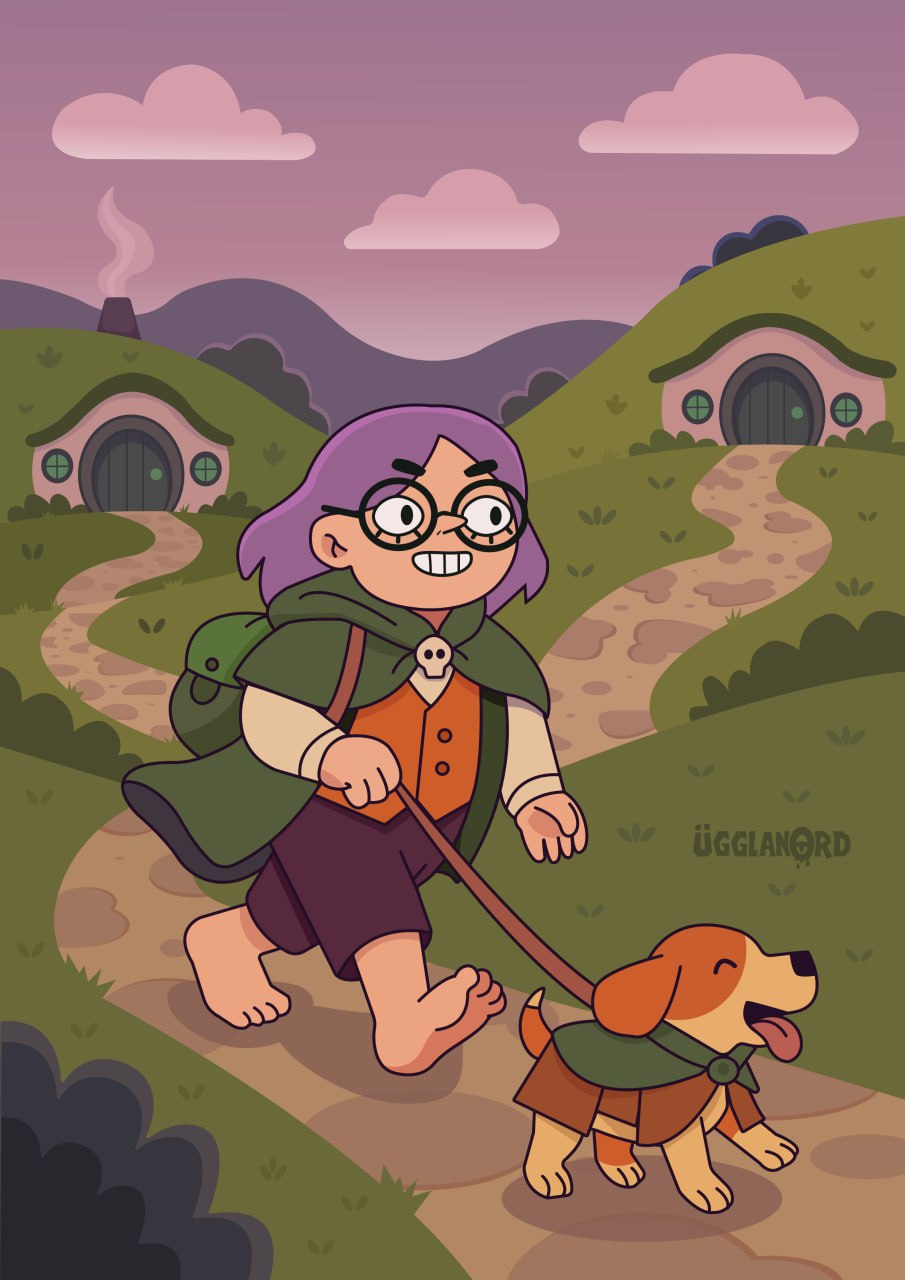
Life itself inspires me. Everything that happens in my life eventually finds its way into my illustrations. Experiences, emotions, and memories all become part of my creative process.
Life itself inspires me. Everything that happens in my life eventually finds its way into my illustrations. Experiences, emotions, and memories all become part of my creative process.
Which artists, illustrators, or authors have influenced you?
There are so many that it’s hard to choose. Ivan Bilibin is certainly one of them — a true master of folklore-inspired storytelling. I also admire Gerald Brom. I love both his artwork and his books, and they continue to inspire me greatly.
There are so many that it’s hard to choose. Ivan Bilibin is certainly one of them — a true master of folklore-inspired storytelling. I also admire Gerald Brom. I love both his artwork and his books, and they continue to inspire me greatly.
What do you enjoy doing outside of work?
I love reading, exercising, and spending time outdoors. Recently, I started learning Spanish. Creative people always find something interesting to do.
I love reading, exercising, and spending time outdoors. Recently, I started learning Spanish. Creative people always find something interesting to do.
Are there any hobbies that unexpectedly influence your work?
Traveling. I bring back a huge amount of inspiration and visual material from my trips, which often become part of future projects.
Traveling. I bring back a huge amount of inspiration and visual material from my trips, which often become part of future projects.
How do travel, culture, and everyday life find their way into your work?
They are reflected in my work completely. I believe that if someone looked closely enough at my illustrations, they could probably tell where I’ve been, what I love, and what interests me.
They are reflected in my work completely. I believe that if someone looked closely enough at my illustrations, they could probably tell where I’ve been, what I love, and what interests me.
Which project do you consider the most important or defining in your career?
I think that project is still ahead of me.
I think that project is still ahead of me.
Is there a piece you are particularly proud of? Why?
I’m proud of every project I create. Otherwise, why would I take it on in the first place?
I’m proud of every project I create. Otherwise, why would I take it on in the first place?
What has been the most unusual commission or creative project you’ve worked on?
Once, I designed characters for my friends’ Dungeons & Dragons campaign. It was one of my favorite projects because I had complete creative freedom and could do whatever I wanted.
Once, I designed characters for my friends’ Dungeons & Dragons campaign. It was one of my favorite projects because I had complete creative freedom and could do whatever I wanted.
Can you share an interesting story related to the creation of one of your works?
Nothing particularly memorable comes to mind, but funny little moments always seem to happen during the technical side of the process.
Nothing particularly memorable comes to mind, but funny little moments always seem to happen during the technical side of the process.
Which professional achievement has been the most meaningful to you?
If I manage to finish my animation course, that will be my greatest achievement. Progress has been slow, but it’s something I truly want to accomplish.
If I manage to finish my animation course, that will be my greatest achievement. Progress has been slow, but it’s something I truly want to accomplish.
In your opinion, how has the profession of an artist changed over the years?
It has changed dramatically. When I first started studying, there was very little information available and technology was far less advanced. Today, everything has evolved tremendously. And of course, AI has become a powerful tool and assistant for artists.
It has changed dramatically. When I first started studying, there was very little information available and technology was far less advanced. Today, everything has evolved tremendously. And of course, AI has become a powerful tool and assistant for artists.
What opportunities are available to young artists today?
I believe that if a young artist develops a distinctive style, a clear idea, and a strong creative vision, there are no limits to what they can achieve. All doors are open to them.
I believe that if a young artist develops a distinctive style, a clear idea, and a strong creative vision, there are no limits to what they can achieve. All doors are open to them.
What is your attitude toward the use of artificial intelligence in art and illustration?
I see AI primarily as a tool for brainstorming. I enjoy using it to explore ideas and generate inspiration. But when it comes to creating art, I believe artists should do the actual work themselves.
I see AI primarily as a tool for brainstorming. I enjoy using it to explore ideas and generate inspiration. But when it comes to creating art, I believe artists should do the actual work themselves.
How do you balance creative freedom with commercial projects?
That’s every artist’s pain point. I think it’s important to separate projects you do for income from projects you do for your soul. Sometimes, passion projects naturally turn into hobbies, and that balance helps maintain creativity.
That’s every artist’s pain point. I think it’s important to separate projects you do for income from projects you do for your soul. Sometimes, passion projects naturally turn into hobbies, and that balance helps maintain creativity.
What qualities do you think are most important for a contemporary artist?
Persistence and curiosity. Without them, it’s easy to get lost and fall behind in such a fast-moving world.
Persistence and curiosity. Without them, it’s easy to get lost and fall behind in such a fast-moving world.
Is there a fact about yourself that surprises people?
I’m actually quite melancholic by nature. People are often surprised when they get to know me better because I probably come across differently at first.
I’m actually quite melancholic by nature. People are often surprised when they get to know me better because I probably come across differently at first.
If you had the opportunity to work with any artist, past or present, who would you choose?
More than working together, I would love to have a conversation with Ivan Bilibin. I believe there is so much one could learn from him.
More than working together, I would love to have a conversation with Ivan Bilibin. I believe there is so much one could learn from him.
What projects are you working on at the moment?
Right now, I’m working on my own comic book and merchandise line. Those are my main goals and priorities for the near future.
Right now, I’m working on my own comic book and merchandise line. Those are my main goals and priorities for the near future.
Interested in discovering more from this talented artist? Explore the portfolio, follow new projects, and connect through the links below.
Instagram: @ugglanord
Behance: https://www.behance.net/ugglanord
Telegram: @o_uggla
Note: This interview was originally conducted in Russian and translated into English by the author for publication.
Instagram: @ugglanord
Behance: https://www.behance.net/ugglanord
Telegram: @o_uggla
Note: This interview was originally conducted in Russian and translated into English by the author for publication.
Miami, Fl