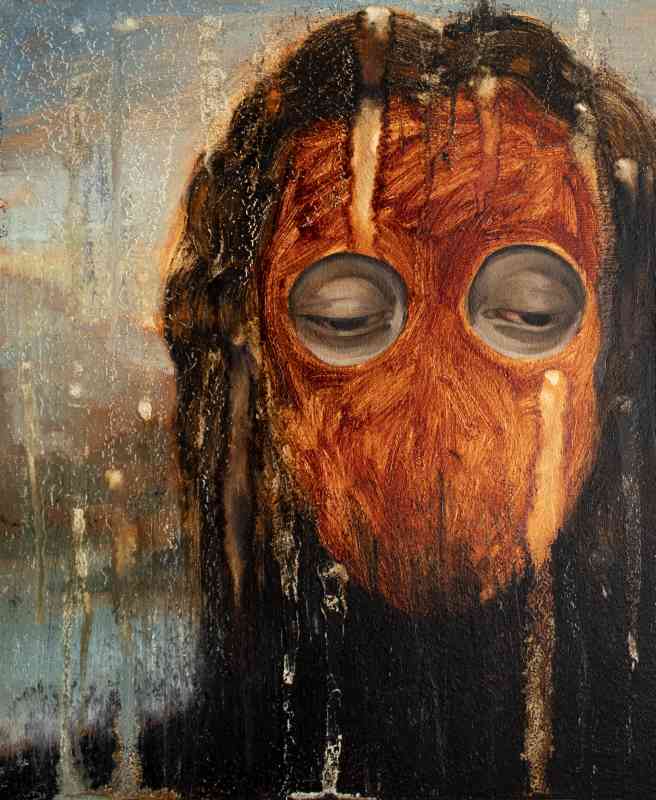
Art has the unique ability to connect the past with the present, allowing timeless ideas to find new meaning in a changing world. Contemporary artist and illustrator Elizaveta Akimova has built her creative practice around this dialogue, reinterpreting classical artistic traditions through the lens of modern culture and contemporary experience. Living and working in Berlin, she combines the foundations of Russian and European academic training with a deep interest in visual storytelling, cultural memory, and the evolving role of art in society.
An Honorary Member of the Academy of Contemporary Arts, a member of the Professional Union of Artists of Russia and the Eurasian Art Union, Elizaveta is also the founder of Curatone, an international platform that brings together artists, exhibitions, research initiatives, and publications. We spoke with her about her artistic journey, sources of inspiration, and her vision for the future of contemporary art.
An Honorary Member of the Academy of Contemporary Arts, a member of the Professional Union of Artists of Russia and the Eurasian Art Union, Elizaveta is also the founder of Curatone, an international platform that brings together artists, exhibitions, research initiatives, and publications. We spoke with her about her artistic journey, sources of inspiration, and her vision for the future of contemporary art.
How did your journey into the world of art begin?
Elizaveta: Art has been a part of my life for as long as I can remember. I was always fascinated by painting, drawing, and the ability of artists to communicate ideas through visual language. Over time, this passion evolved into a serious commitment to professional development.
My education combined several important influences. I studied in a private art studio in Saint Petersburg, continued my training at the Academy of Arts, and later attended Atelier de Arte Realista do Porto in Portugal. These experiences allowed me to explore both Russian and Western academic traditions, which continue to shape my artistic approach today.
Elizaveta: Art has been a part of my life for as long as I can remember. I was always fascinated by painting, drawing, and the ability of artists to communicate ideas through visual language. Over time, this passion evolved into a serious commitment to professional development.
My education combined several important influences. I studied in a private art studio in Saint Petersburg, continued my training at the Academy of Arts, and later attended Atelier de Arte Realista do Porto in Portugal. These experiences allowed me to explore both Russian and Western academic traditions, which continue to shape my artistic approach today.
Your work often references classical art. What draws you to this subject?
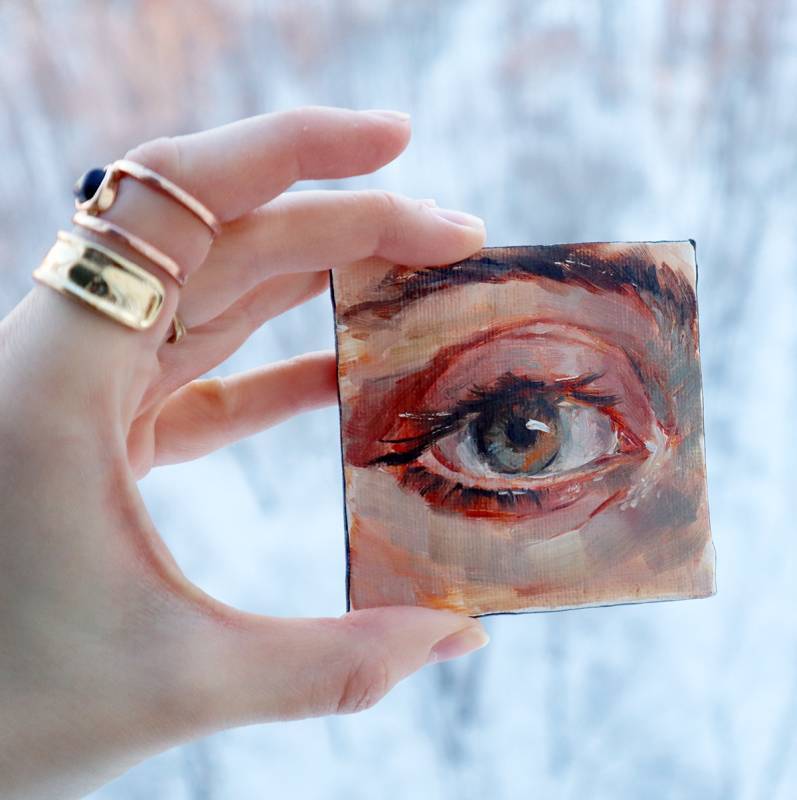
Classical art contains stories and symbols that remain relevant regardless of time. Human emotions, aspirations, fears, and conflicts have not changed as much as we sometimes think.
I am interested in exploring how these timeless themes can be translated into a contemporary context. In many ways, I see my work as a conversation between centuries. The questions that concerned artists during the Renaissance continue to resonate today, although the world around us has changed dramatically.
Classical art contains stories and symbols that remain relevant regardless of time. Human emotions, aspirations, fears, and conflicts have not changed as much as we sometimes think.
I am interested in exploring how these timeless themes can be translated into a contemporary context. In many ways, I see my work as a conversation between centuries. The questions that concerned artists during the Renaissance continue to resonate today, although the world around us has changed dramatically.
How would you describe the main focus of your artistic practice?
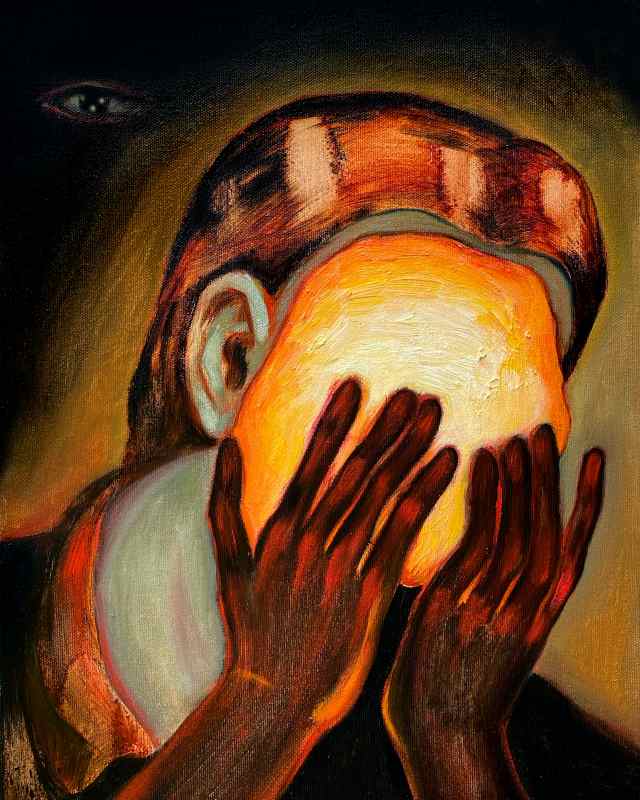
My work explores the relationship between classical art, postmodern culture, and contemporary society. I am particularly interested in archetypal narratives that have shaped world culture for centuries.
These stories provide a framework for understanding modern anxieties, social challenges, and personal experiences. Through my paintings, I seek to connect historical memory with contemporary reality.
My work explores the relationship between classical art, postmodern culture, and contemporary society. I am particularly interested in archetypal narratives that have shaped world culture for centuries.
These stories provide a framework for understanding modern anxieties, social challenges, and personal experiences. Through my paintings, I seek to connect historical memory with contemporary reality.
Many art historians describe the Renaissance as a reinterpretation of Antiquity. Do you see parallels with your own work?
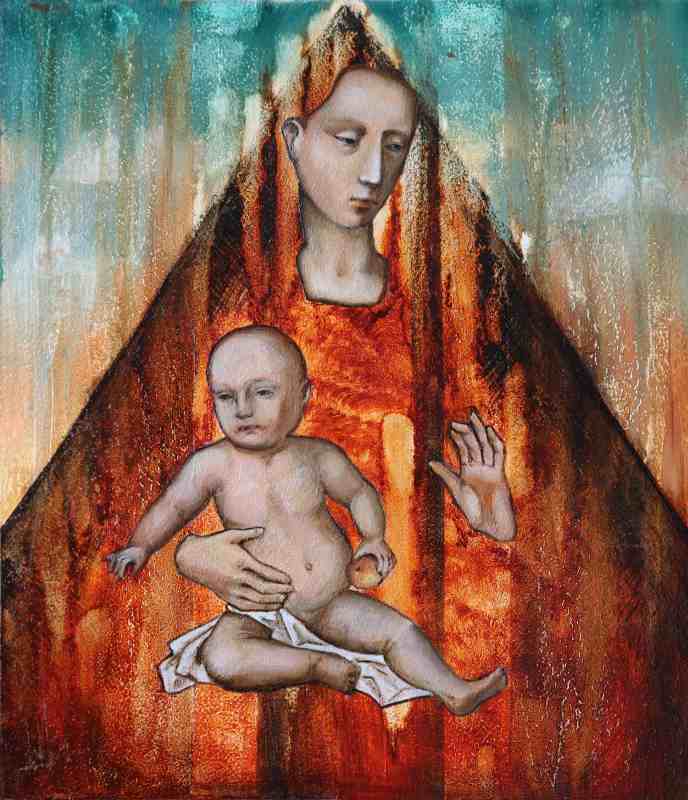
Absolutely. The Renaissance did not simply copy ancient culture. It reimagined classical achievements and adapted them to a new era.
I believe contemporary artists face a similar challenge today. We inherit an enormous artistic legacy, but our responsibility is not merely to preserve it. We must reinterpret it, question it, and find ways to make it meaningful for modern audiences. That process of adaptation is central to my work.
Absolutely. The Renaissance did not simply copy ancient culture. It reimagined classical achievements and adapted them to a new era.
I believe contemporary artists face a similar challenge today. We inherit an enormous artistic legacy, but our responsibility is not merely to preserve it. We must reinterpret it, question it, and find ways to make it meaningful for modern audiences. That process of adaptation is central to my work.
You have studied and worked in different countries. How has this international experience influenced your artistic vision?
Exposure to different artistic traditions has been incredibly valuable. Russian academic training emphasizes discipline, technical mastery, and respect for tradition. Western schools often encourage experimentation, conceptual thinking, and personal interpretation.
I feel fortunate to have experienced both approaches. Rather than choosing one over the other, I try to combine their strengths in my own artistic language.
Exposure to different artistic traditions has been incredibly valuable. Russian academic training emphasizes discipline, technical mastery, and respect for tradition. Western schools often encourage experimentation, conceptual thinking, and personal interpretation.
I feel fortunate to have experienced both approaches. Rather than choosing one over the other, I try to combine their strengths in my own artistic language.
Your works have been exhibited internationally. What has that experience been like?
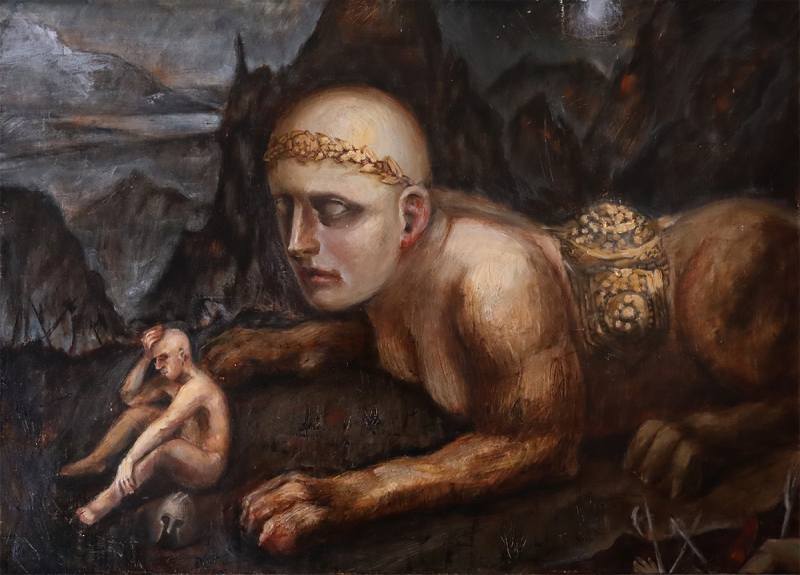
It has been both exciting and humbling. Art creates connections that transcend language and geography. I have had the opportunity to present my work in Russia, the United States, and the United Kingdom, while also collaborating with collectors and art enthusiasts from different parts of the world.
Every exhibition offers a chance to engage with new audiences and discover how people from different cultural backgrounds respond to the same artistic ideas.
It has been both exciting and humbling. Art creates connections that transcend language and geography. I have had the opportunity to present my work in Russia, the United States, and the United Kingdom, while also collaborating with collectors and art enthusiasts from different parts of the world.
Every exhibition offers a chance to engage with new audiences and discover how people from different cultural backgrounds respond to the same artistic ideas.
In 2023, you received both Silver and Bronze medals at the Art Excellence Awards. What did this recognition mean to you?
Awards are never the primary motivation for creating art, but they are meaningful because they represent recognition from professional peers and experts in the field.
Receiving Silver and Bronze medals at the Art Excellence Awards was both an honor and an encouragement. It reinforced my belief that contemporary interpretations of classical themes continue to resonate with audiences and remain relevant within today's international art community.
Awards are never the primary motivation for creating art, but they are meaningful because they represent recognition from professional peers and experts in the field.
Receiving Silver and Bronze medals at the Art Excellence Awards was both an honor and an encouragement. It reinforced my belief that contemporary interpretations of classical themes continue to resonate with audiences and remain relevant within today's international art community.
What inspires you today as an artist?
Curiosity. History inspires me. Literature inspires me. Museums inspire me. Contemporary society inspires me.
Most importantly, I remain fascinated by the dialogue between past and present. Every generation revisits old questions and discovers new answers. As an artist, I feel privileged to participate in that ongoing conversation through my work.
Curiosity. History inspires me. Literature inspires me. Museums inspire me. Contemporary society inspires me.
Most importantly, I remain fascinated by the dialogue between past and present. Every generation revisits old questions and discovers new answers. As an artist, I feel privileged to participate in that ongoing conversation through my work.
In addition to your artistic practice, you have developed your own international project, Curatone. How did the idea for it come about?
Over time, I realized that many contemporary artists lack a professional platform that combines not only exhibition opportunities but also research and critical dialogue. This inspired me to create Curatone (curatone.art), a project that today includes international online exhibitions, a professional community of artists, and the Curatone Art & Research Journal, dedicated to contemporary art, design, and visual studies. My goal was to build a space where creative projects could be more than simply displayed, becoming part of a broader professional and academic conversation.
Over time, I realized that many contemporary artists lack a professional platform that combines not only exhibition opportunities but also research and critical dialogue. This inspired me to create Curatone (curatone.art), a project that today includes international online exhibitions, a professional community of artists, and the Curatone Art & Research Journal, dedicated to contemporary art, design, and visual studies. My goal was to build a space where creative projects could be more than simply displayed, becoming part of a broader professional and academic conversation.
Today, Curatone includes not only exhibitions but also its own journal. What role does this publication play in the development of the project?
The journal became a natural extension of our activities. Through Curatone Art & Research Journal, we publish research articles, visual projects, interviews, and analytical materials related to contemporary art and design. For many artists, it provides an opportunity to present their work to an international audience within a deeper intellectual context and to share the ideas behind their creative practice. I believe that today it is important not only for art to be seen, but also to be understood.
The journal became a natural extension of our activities. Through Curatone Art & Research Journal, we publish research articles, visual projects, interviews, and analytical materials related to contemporary art and design. For many artists, it provides an opportunity to present their work to an international audience within a deeper intellectual context and to share the ideas behind their creative practice. I believe that today it is important not only for art to be seen, but also to be understood.
Online exhibitions have become an important part of the project. What opportunities do they provide for artists?
The online format allows us to connect artists from different countries and cultural backgrounds without geographical limitations. It gives participants the opportunity to present their work to an international audience, engage with fellow artists, and receive professional feedback. For many, these exhibitions become an important first step toward international recognition and new professional opportunities.
Through Curatone, I warmly invite artists, designers, researchers, curators, galleries, and cultural organizations from around the world to collaborate on exhibitions, publications, and research initiatives. My goal is to build an international creative community where artistic innovation, professional growth, and meaningful dialogue can inspire new ideas and lasting connections across cultures and disciplines. (https://curatone.art/about-journal)
The online format allows us to connect artists from different countries and cultural backgrounds without geographical limitations. It gives participants the opportunity to present their work to an international audience, engage with fellow artists, and receive professional feedback. For many, these exhibitions become an important first step toward international recognition and new professional opportunities.
Through Curatone, I warmly invite artists, designers, researchers, curators, galleries, and cultural organizations from around the world to collaborate on exhibitions, publications, and research initiatives. My goal is to build an international creative community where artistic innovation, professional growth, and meaningful dialogue can inspire new ideas and lasting connections across cultures and disciplines. (https://curatone.art/about-journal)
Miami, Fl